


Logic
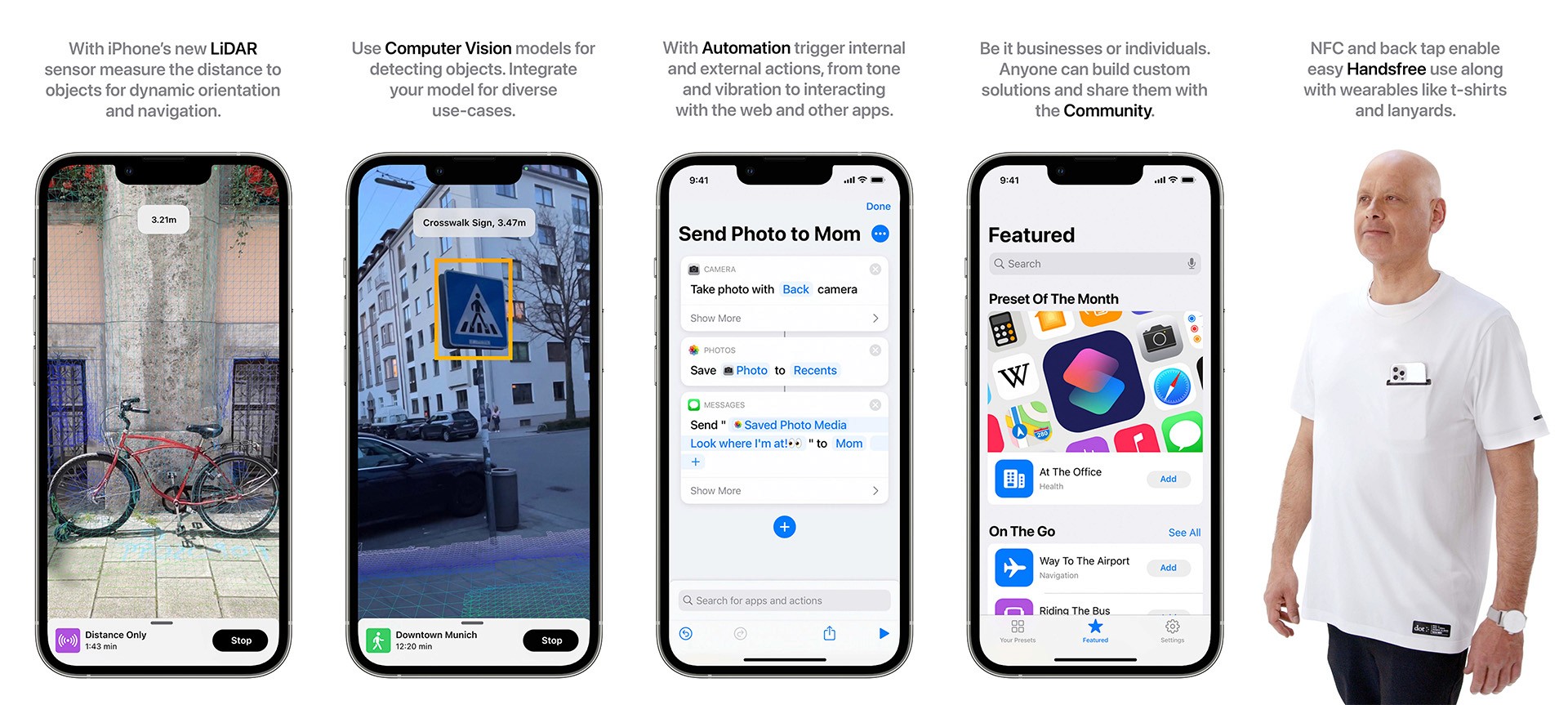
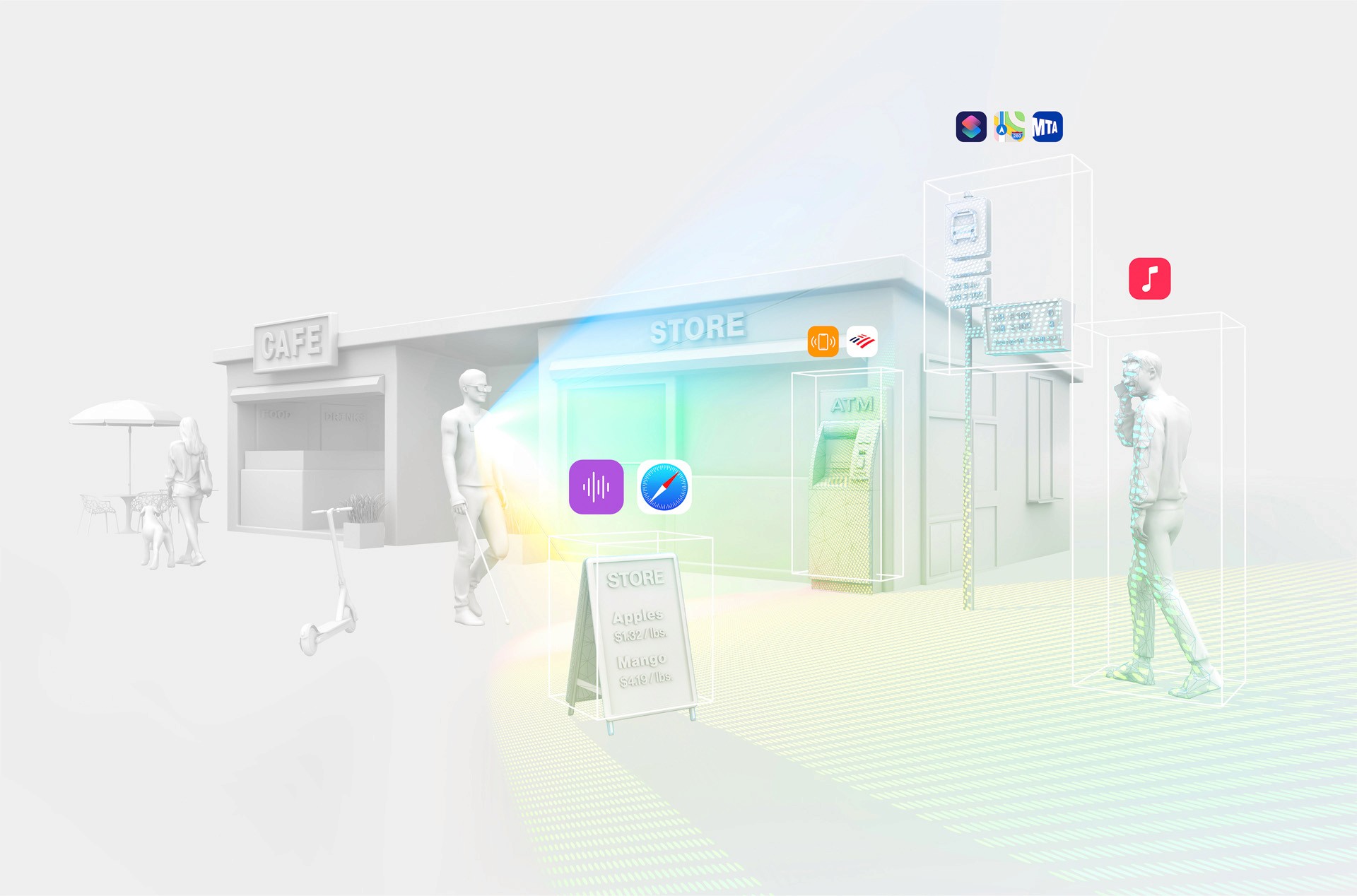
Following the simple material conditional logic used in programming — “if x then y” — Dot Go allows users to create on a simple principle: Any object can be connected to any action. For example: A bus stop sign could trigger open the public transportation app to buy the right ticket.

Use Cases
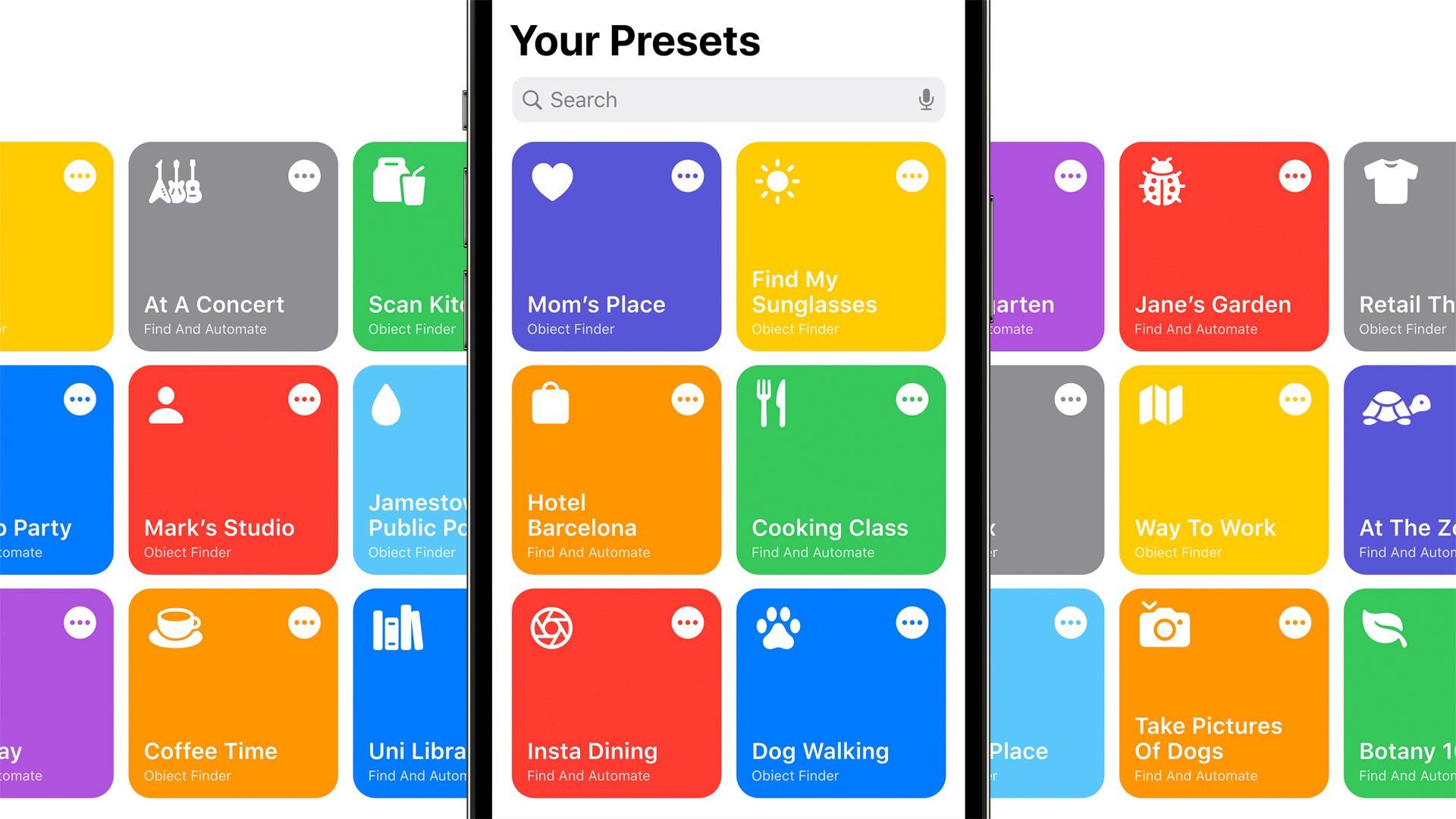
Instead of fixed use cases, anyone can create presets for specific objects, locations, and needs. Nobody has to start from scratch, as they can download existing presets from a growing library curated by users, institutions, and brands.

Use Cases
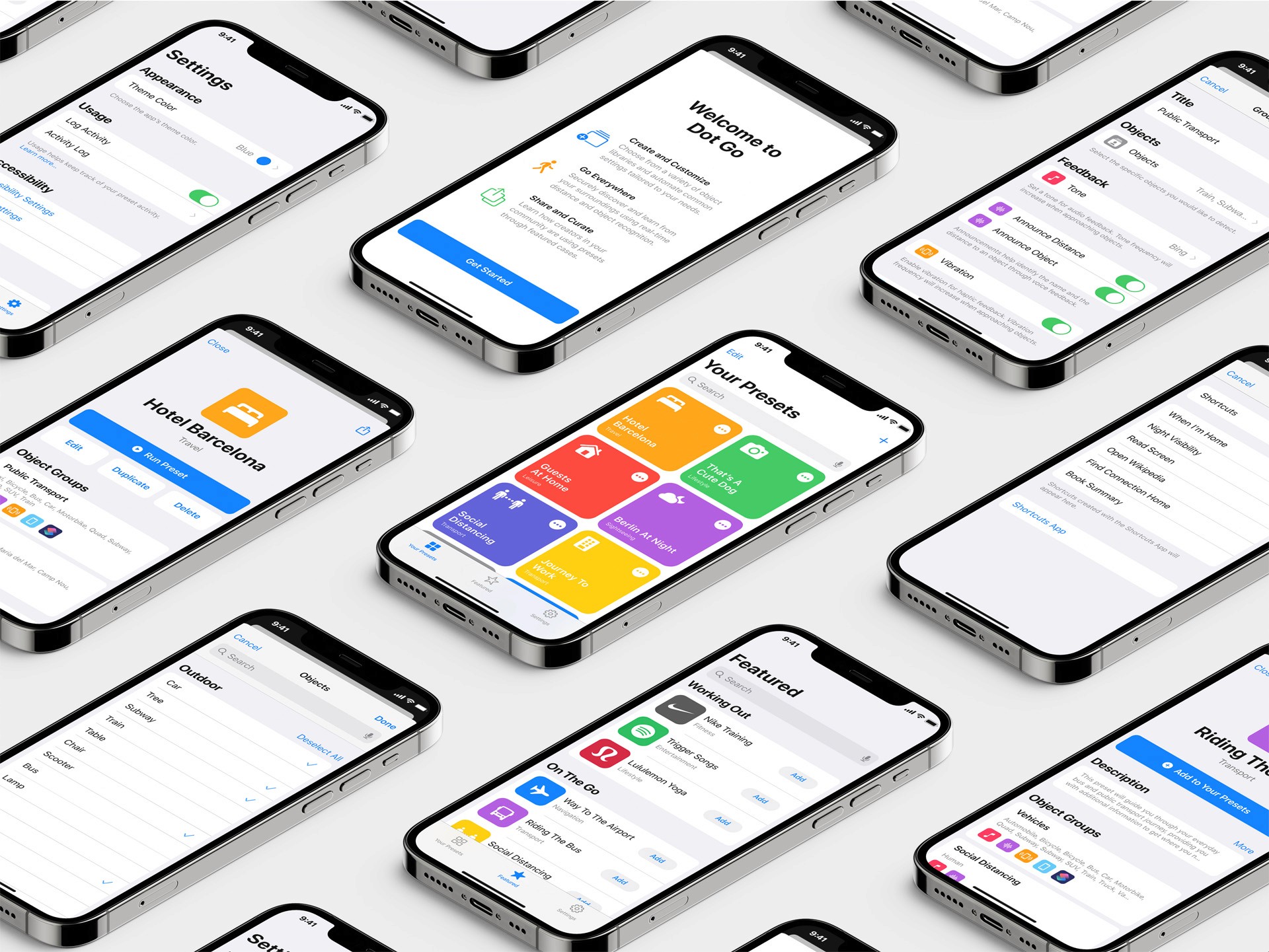
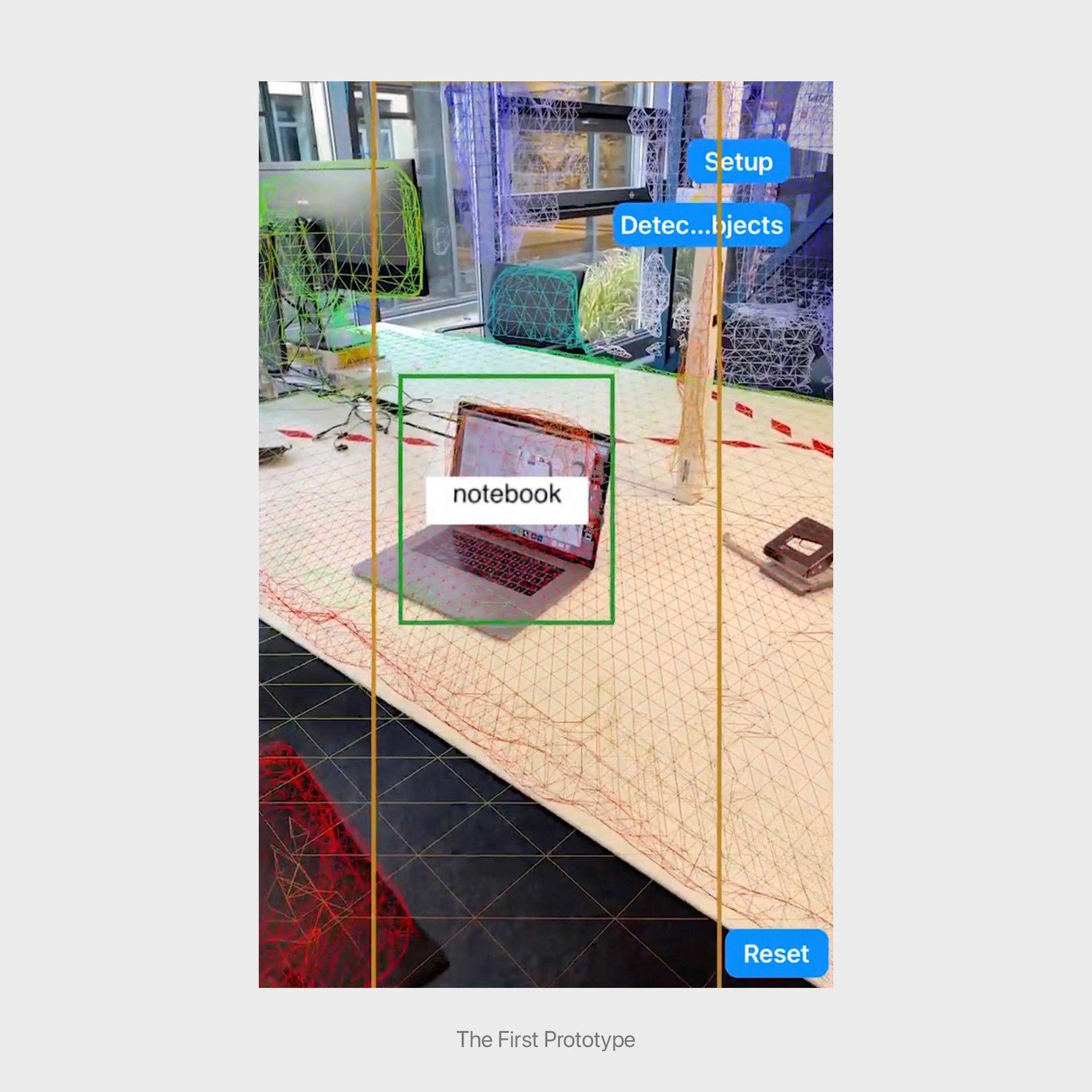
Dot Go combines open-source computer vision models with simple automation (system shortcuts and deeplinks). While allowing people to assign actions to objects, the app acts as an accessibility toolkit.
Since there are many levels to visual impairment, the app was designed with options to customize as per one’s needs; be it low-vision, light sensitivity, or colour blindness.
Accessories
For enhanced usability and performance in special situations like sports, Dot Go works with adaptive accessories like lanyards and shirts to enable handsfree use.


Credits
Serviceplan Innovation
Serviceplan Korea
Saliya Kahawatte
Inês Ayer
Niklas May
Paulus
Albert Coon
Hyperinteractive
DamianDamian